1. What is the current global market outlook for wireless EV charging technologies?
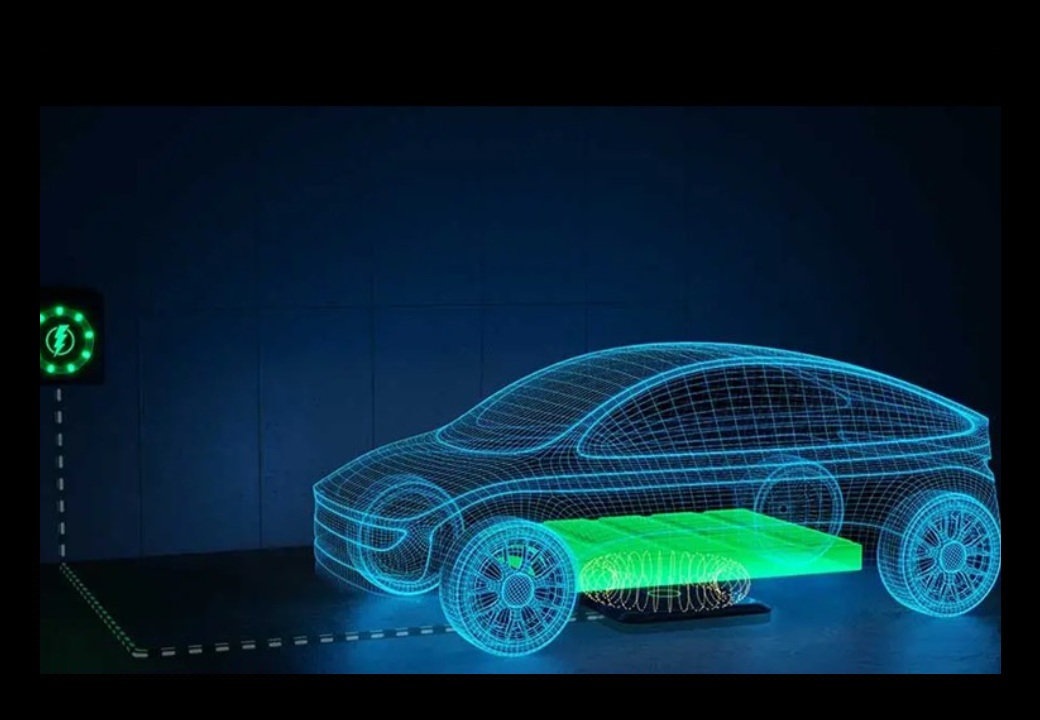
The global wireless EV charging market is in an early but rapidly expanding phase, expected to grow at a strong double-digit CAGR through 2030–2035, driven by rising EV adoption, demand for automated charging convenience, and integration with smart city and autonomous mobility infrastructure. Commercial fleet and public transport applications are expected to see the fastest adoption.
2. Who are the major players driving the wireless EV charging ecosystem?
Key companies include WiTricity, Electreon, Momentum Dynamics, HEVO, Plugless Power, and several automotive OEM partners. Infrastructure firms and technology developers are collaborating with cities and transit agencies to deploy pilot projects and scalable wireless charging corridors.
3. How is the wireless EV charging market segmented by technology and application?
The market is segmented into static wireless charging (stationary pads in homes, parking lots, and depots) and dynamic wireless charging (in-motion charging embedded in roadways). Static systems currently dominate, while dynamic charging is gaining traction for buses, logistics fleets, and highway pilot projects.
4. Which regions are leading the adoption of wireless EV charging technologies?
Europe and North America lead in pilot deployments and R&D initiatives, while Asia-Pacific is emerging as a strong growth region due to expanding EV production, government-backed smart mobility programs, and infrastructure innovation.
5. What are the key benefits of wireless EV charging compared to plug-in systems?
Wireless charging provides hands-free operation, improved safety, reduced cable wear and vandalism risk, and seamless integration with autonomous and shared mobility systems, making it ideal for high-utilization and automated environments.
6. What end-use segments are expected to drive demand the most?
High-usage vehicle segments such as electric buses, taxis, ride-hailing fleets, and logistics vehicles are expected to be major demand drivers due to the need for frequent, automated, and opportunity charging.
7. What are the major growth drivers in the wireless EV charging market?
Key drivers include increasing EV penetration, smart city investments, fleet electrification, advancements in inductive charging efficiency, and growing support for infrastructure innovation through government-funded pilot programs.
8. What challenges are limiting widespread adoption?
Major challenges include high installation and hardware costs, efficiency gaps compared to wired fast charging, lack of universal standards, and the need for grid and infrastructure upgrades.
9. How is technology evolving in the wireless EV charging space?
Advancements in resonant magnetic coupling, improved alignment tolerance, higher power transfer levels, and development of interoperability standards (SAE/IEC) are improving system performance and accelerating commercialization.
10. What is the long-term future of wireless EV charging?
Wireless charging is expected to become a complementary solution to plug-in infrastructure, playing a key role in autonomous vehicle ecosystems, smart transport corridors, and dynamic in-motion charging highways.

 Global Biosurfactants Market Outlook 1 × $350.00