1. What is the market size and growth outlook for quick commerce?
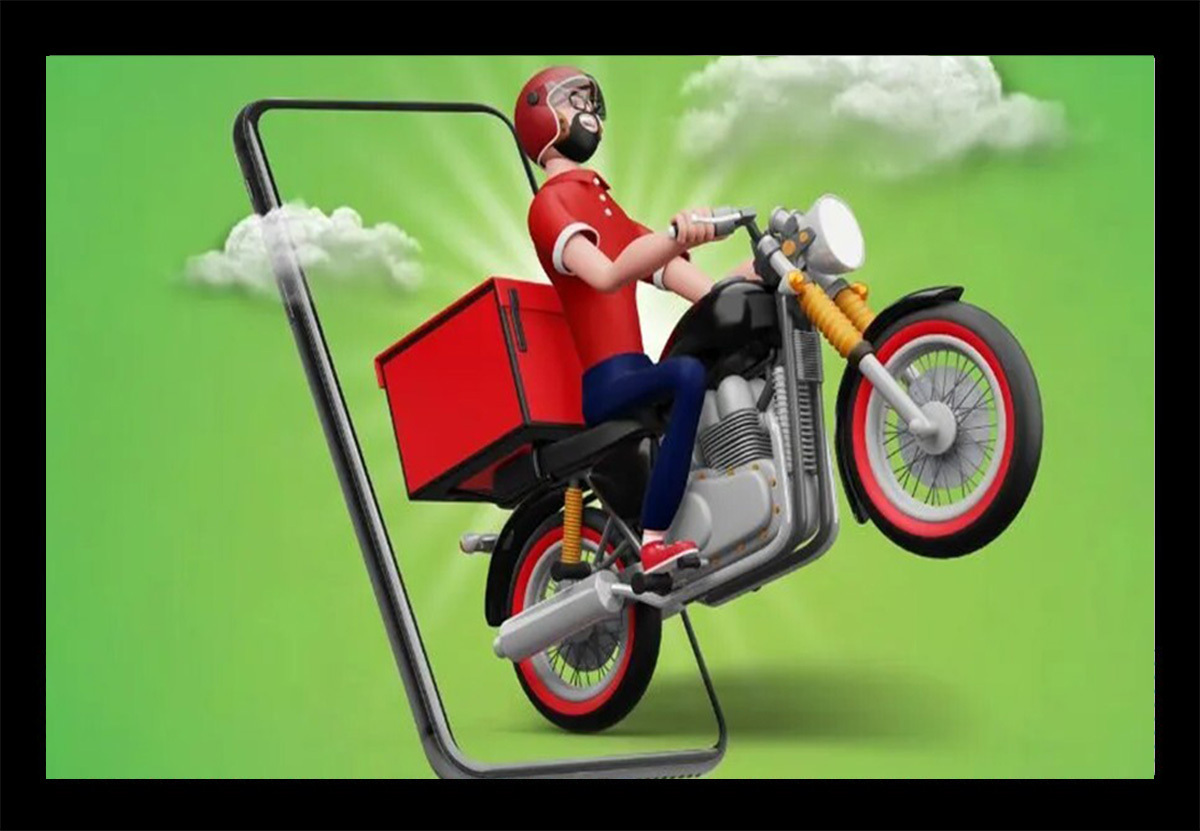
The global quick commerce market is projected to grow from approximately USD 96.7 billion in 2025 to USD 720.8 billion by 2035, reflecting a strong ~20% CAGR (2026–2035). This growth is driven by rising demand for ultra-fast delivery, increasing order frequency, and expansion of hyperlocal fulfilment infrastructure, particularly in dense urban markets.
2. Which regions are leading the quick commerce market?
Asia-Pacific, particularly India, leads in adoption due to dense urban clusters, high-frequency consumption, and dark store scalability. North America and Europe are more mature in terms of platform integration, retail media monetization, and operational sophistication, while LATAM and MEA are emerging markets with growing adoption.
3. What are the key demand drivers in quick commerce?
Key drivers include the need for instant gratification, increasing urbanization, busy lifestyles, and the shift toward high-frequency, low-basket purchases. Consumer preference for convenience, speed, and on-demand access to essentials is accelerating adoption.
4. How is quick commerce transforming FMCG go-to-market strategies?
Quick commerce is shifting FMCG strategies toward hyperlocal fulfilment, SKU rationalization, and real-time demand planning. Brands must optimize digital shelf presence, tailor assortments for impulse consumption, and align pricing and promotions across fragmented channels.
5. What role do dark stores play in quick commerce?
Dark stores are the backbone of quick commerce operations, enabling 10–15 minute deliveries through proximity-based fulfilment. Their density and location directly impact delivery speed, cost efficiency, and service reliability.
6. What is channel fragmentation and how does it impact brands?
Channel fragmentation refers to the increasing distribution of demand across offline retail, e-commerce, and quick commerce platforms. This creates complexity in demand forecasting, inventory planning, and marketing execution, requiring brands to adopt channel-specific strategies.
7. How are retail media networks (RMNs) shaping quick commerce?
RMNs are becoming a critical revenue and visibility driver, enabling brands to leverage sponsored listings, targeted advertising, and performance-based campaigns. However, fragmentation across multiple RMNs increases execution complexity and requires integrated analytics.
8. What are the key revenue models in quick commerce?
Revenue streams include product margins, delivery and convenience fees, subscription models, and advertising income through retail media. Data monetization and consumer insights are also emerging as additional revenue sources.
9. What are the major operational challenges in quick commerce?
Challenges include maintaining profitability due to high logistics costs, managing fragmented demand across channels, ensuring efficient last-mile delivery, and optimizing inventory within limited SKU assortments.
10. What are the key opportunities for brands and retailers in this space?
Opportunities lie in leveraging impulse-driven consumption, expanding into high-frequency categories, utilizing retail media for targeted growth, and building integrated omnichannel strategies. Success depends on mastering data, improving supply chain agility, and optimizing hyperlocal operations.