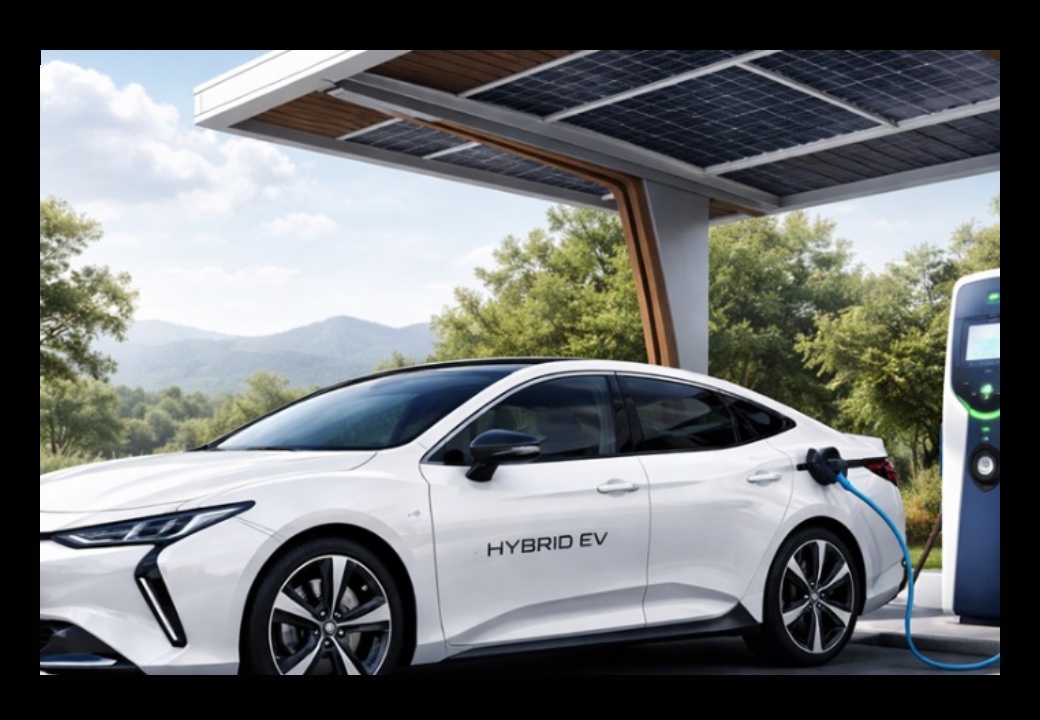
Hybrid Electric Vehicles: Powering the Future with Smarter, Cleaner Mobility

Hybrid Electric Vehicles: Powering the Future with Smarter, Cleaner Mobility - Kaleido Koncepts

Hybrid Electric Vehicles: Powering the Future with Smarter, Cleaner Mobility

Spotlight

$350.00

Category:
Access Brochure

The report provides a comprehensive analysis of the Hybrid Electric Vehicle (HEV) market, covering its current industry landscape, growth outlook, and evolving role in the global transition toward low-emission mobility. It introduces hybrid vehicle technology, explains key system components such as internal combustion engines, electric motors, battery packs, and regenerative braking systems, and highlights the benefits of hybridization in improving fuel efficiency, reducing emissions, and enhancing driving performance.

The study further evaluates regional market dynamics, identifying leadership trends across Asia-Pacific, North America, and Europe. It assesses investment flows, policy incentives, and manufacturing expansion strategies influencing market growth, alongside key performance metrics such as fuel efficiency gains, emission reduction potential, battery capacity, and cost competitiveness.

In addition, the report explores market segmentation and key application areas, including passenger vehicles, commercial fleets, and public transport. It examines recent technological advancements, model launches, and strategic partnerships between automakers and battery suppliers. Key drivers, trends, opportunities, and challenges affecting hybrid vehicle adoption such as tightening emission norms, fuel price volatility, electrification strategies, and competition from battery electric vehicles are analyzed to provide a balanced perspective of the market’s evolution.

Finally, the report presents a forward-looking outlook, highlighting long-term opportunities in advanced hybrid systems, integration with next-generation battery technologies, and expansion into emerging markets. It outlines the strategic pathway for automakers, component manufacturers, investors, and policymakers to leverage hybrid technology as a critical bridge in the transition toward fully electric and sustainable mobility ecosystems.

  • Hybrid Electric Vehicle Market outlook
  • Path Forward

Wireless EV Charging Technologies Market Outlook

  • Hybrid Electric Vehicle | Components of Hybrid Vehicle
  • Hybrid Electric Vehicle | Benefits and Importance
  • Hybrid Electric Vehicle | Evolution of Hybrid Electric Vehicles Players
  • Hybrid Electric Vehicle | Market Outlook
  • Hybrid Electric Vehicle | Major HEV Market Leaders by Regions
  • Hybrid Electric Vehicle | Regional Analysis
  • Hybrid Electric Vehicle | Segmentation
  • Hybrid Electric Vehicle | Key Applications & End-Use Segments
  • Hybrid Electric Vehicle | Recent Development
  • Hybrid Electric Vehicle | Drivers and Trends
  • Hybrid Electric Vehicle | Opportunities and Challenges
  • Hybrid Electric Vehicle | SWOT Analysis
  • Hybrid Electric Vehicle | PESTEL Analysis

Path Forward

  • Forward Looking Statements
  • Path Forward

1. What is the current global market outlook for hybrid electric vehicles (HEVs)?
The global HEV market is experiencing steady growth, driven by rising fuel efficiency standards, stricter emission norms, and consumer demand for lower running costs. HEVs serve as a practical transition technology between conventional ICE vehicles and fully electric vehicles, especially in regions with limited charging infrastructure.

2. What are the main components of a hybrid electric vehicle?
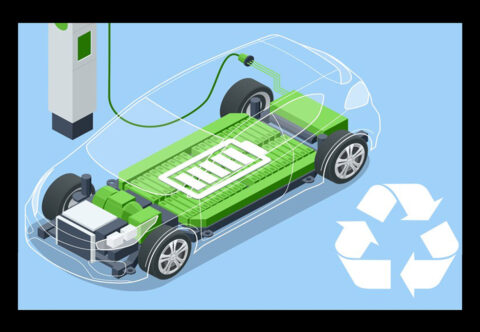
HEVs typically include an internal combustion engine (ICE), electric motor, battery pack, power control unit, regenerative braking system, and transmission system that enables energy flow between the motor and engine for optimal efficiency.

3. Why are hybrid electric vehicles important in the transition to clean mobility?
HEVs reduce fuel consumption and tailpipe emissions without relying entirely on charging infrastructure. They provide a bridge technology that helps consumers and automakers move toward electrification while maintaining driving range and convenience.

4. When did hybrid vehicle technology first gain commercial success?
Modern hybrid vehicles gained global attention in the late 1990s, with mass adoption accelerating in the early 2000s, led by Japanese automakers pioneering fuel-efficient hybrid passenger cars.

5. Which regions are leading the hybrid electric vehicle market?
Asia-Pacific, particularly Japan and China, leads HEV adoption, followed by North America and Europe, where tightening emission standards and fuel economy regulations are driving hybrid demand.

6. How is the HEV market segmented?
The market is segmented into mild hybrids (MHEV), full hybrids (HEV), and plug-in hybrids (PHEV). Passenger vehicles dominate, while hybrid technology is gradually expanding into commercial vehicles and buses.

7. What are the key application and end-use segments for HEVs?
The primary segment is passenger vehicles, including sedans, SUVs, and crossovers. Growing applications also include urban buses, fleet vehicles, and light commercial vehicles seeking improved fuel efficiency.

8. What are the major drivers and trends shaping the HEV market?
Key drivers include fuel price volatility, stricter emission regulations, government incentives, and advancements in battery and power electronics. Automakers are also integrating hybrid systems into a broader range of vehicle models.

9. What opportunities and challenges exist in the HEV market?
Opportunities lie in emerging markets, rising consumer awareness, and hybridization of larger vehicles. Challenges include higher upfront vehicle costs, competition from BEVs, and evolving policy focus toward fully electric vehicles.

10. What recent developments are influencing the hybrid vehicle industry?
Recent trends include improved battery technologies, expanded hybrid model lineups, stronger partnerships between automakers and battery suppliers, and increased adoption of 48V mild hybrid systems in mass-market vehicles.