Beyond Refreshment The Rise of Performance-Driven Beverages
$350.00
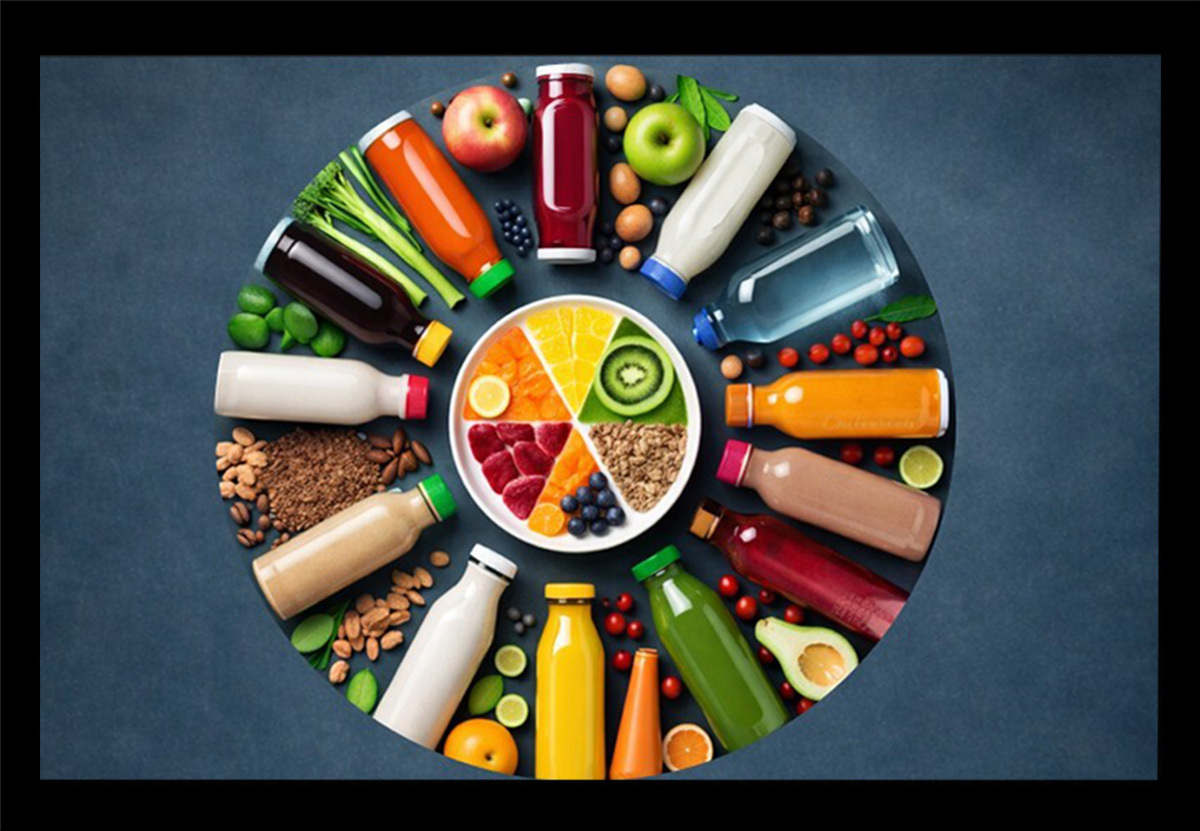
Beyond Refreshment: The Rise of Performance-Driven Beverages provides a strategic overview of the global functional and performance beverage market through 2035. The report analyzes market forecasts, category evolution, and emerging opportunities across hydration beverages, adaptogenic drinks, cognitive beverages, and microbiome-driven formulations. It explores key ingredients such as electrolytes, amino acids, botanicals, and nootropics, alongside formulation strategies, functional claims, and technology innovations. The study further evaluates regional regulatory frameworks, commercialization considerations, competitive positioning, and target consumer segments, offering actionable insights for beverage manufacturers, nutraceutical brands, and investors navigating the rapidly evolving functional beverage landscape.
Global Market Dynamics
- Performance-Driven Beverages | Global Market Overview
- Performance-Driven Beverages | Trends
- Performance-Driven Beverages | Evolution
- Performance-Driven Beverages | Electrolytes
- Performance-Driven Beverages | Protein-Enhanced Hydration
- Performance-Driven Beverages | Low/Zero Sugar Beverages
- Performance-Driven Beverages | Functional Claims
- Performance-Driven Beverages | Innovations & Technology
- Performance-Driven Beverages | Commercialization
- Performance-Driven Beverages | Adaptogens
- Performance-Driven Beverages | Formulations
- Performance-Driven Beverages | Regulatory Framework
- Performance-Driven Beverages | Industry Snapshot
- Performance-Driven Beverages | Cognitive Drinks
- Performance-Driven Beverages | Mood Beverages
- Performance-Driven Beverages | Microbiome-driven Beverages
- Performance-Driven Beverages | Target Consumer Segments
Key Takeaways
Path Forward
1. What is the growth outlook for the global performance-driven beverage market?
The global performance-driven beverage market is projected to expand steadily through 2035, supported by rising demand for functional hydration, cognitive enhancement, and wellness beverages. Market growth is driven by increasing consumer interest in health-oriented beverages and multifunctional formulations.
2. Which regions are leading the performance-driven beverage market?
North America and Europe lead in innovation and functional beverage adoption, while APAC is witnessing rapid growth due to rising wellness awareness, urban lifestyles, and expanding functional food markets. Emerging demand is also visible in LATAM and MEA.
3. What beverage categories are driving market momentum?
Key growth segments include electrolyte hydration drinks, adaptogenic beverages, cognitive and nootropic drinks, protein-enhanced hydration beverages, and microbiome-focused functional drinks.
4. Which ingredients are shaping the functional beverage landscape?
Electrolytes (sodium, potassium, magnesium), amino acids, adaptogens such as ashwagandha and ginseng, nootropics like L-theanine and citicoline, and microbiome-supporting ingredients such as probiotics and prebiotics are driving product innovation.
5. How are formulation trends evolving in functional beverages?
Brands are increasingly developing multifunctional beverages combining hydration, energy, immunity, and cognitive benefits. Clean-label formulations, natural sweeteners, and plant-based ingredients are becoming key formulation priorities.
6. What role does technology play in product innovation?
Technologies such as microencapsulation, powder-to-liquid sachets, and advanced delivery formats help stabilize active ingredients, improve shelf life, and enhance product convenience and portability.
7. What are the major commercial and regulatory considerations?
Health claims require strong scientific substantiation and compliance with regional regulatory frameworks. Regulatory requirements vary significantly across markets such as the U.S., Europe, and APAC, influencing commercialization timelines and costs.
8. Which consumer segments are driving demand?
Demand is expanding beyond athletes to include students, corporate professionals, gamers, and health-conscious consumers seeking improved focus, energy, and wellness support through beverages.
9. What are the key challenges in the market?
Challenges include regulatory complexity, sourcing of specialty ingredients, formulation stability, and the need for clear consumer education regarding functional benefits.
10. Where do the biggest opportunities lie for beverage brands?
Strong opportunities exist in multifunctional beverages, adaptogen-based wellness drinks, cognitive beverages, microbiome-driven formulations, and clean-label low-sugar hydration products targeting broader lifestyle consumers.