1. What is the current global market outlook for Targeted Cancer Therapies?
The global targeted cancer therapies market is witnessing strong growth, driven by increasing cancer incidence, rising adoption of precision medicine, and continuous advancements in biomarker-based treatments. The expansion of targeted drugs such as monoclonal antibodies and small molecule inhibitors, along with growing investments in oncology R&D, is accelerating market development across developed and emerging regions.
2. How has the targeted cancer therapy ecosystem evolved over time?
The ecosystem has evolved from conventional chemotherapy-based treatments to highly personalized and precision-driven approaches. Advancements in genomic profiling, next-generation sequencing (NGS), and biomarker identification have enabled the development of targeted therapies tailored to specific mutations. Strategic collaborations between pharmaceutical companies, biotech firms, and research institutions have further strengthened innovation and commercialization.
3. Why are targeted cancer therapies important, and what are their key benefits?
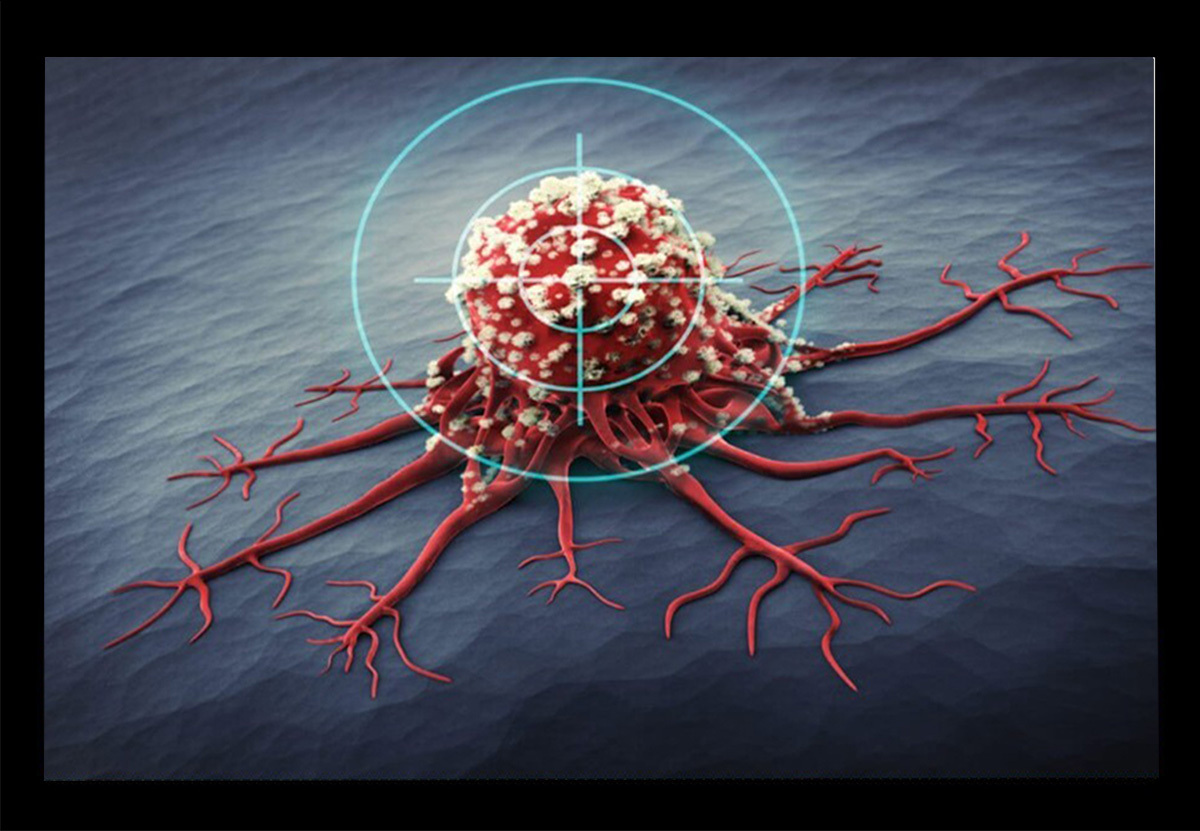
Targeted cancer therapies offer significant advantages over traditional treatments by specifically targeting cancer cells while minimizing damage to healthy tissues. This leads to improved treatment efficacy, reduced side effects, and better patient outcomes. These therapies also support personalized treatment plans, increase survival rates, and enhance quality of life for patients.
4. What is the future market outlook for targeted cancer therapies?
The market is expected to grow significantly in the coming years, supported by increasing adoption of precision oncology, advancements in immunotherapy and gene therapy, and expanding clinical pipelines. The integration of artificial intelligence in drug discovery and growing focus on combination therapies is expected to further drive innovation and market expansion.
5. Which regions are leading the targeted cancer therapies market?
North America leads the market due to strong R&D capabilities, advanced healthcare infrastructure, and early adoption of innovative therapies. Europe follows with robust regulatory support and increasing investment in oncology research. The Asia-Pacific region is experiencing rapid growth due to rising cancer prevalence, improving healthcare infrastructure, and increasing government initiatives.
6. What factors are driving the growth of the targeted cancer therapies market?
The growth of the targeted cancer therapies market is driven by the rising global burden of cancer, increasing demand for personalized medicine, and rapid advancements in genomic and molecular diagnostics. Growing investments in oncology research, expanding clinical trial pipelines, and the development of innovative therapies such as monoclonal antibodies and targeted small molecules are further accelerating market expansion. Additionally, supportive government initiatives, improved healthcare infrastructure, and increasing awareness about early diagnosis and precision treatment are contributing significantly to market growth.
7. What are the major applications and end-use segments?
Major applications include treatment of cancers such as breast cancer, lung cancer, colorectal cancer, melanoma, and hematologic malignancies. End-users include hospitals, cancer research institutes, specialty clinics, and ambulatory care centers. Pharmaceutical and biotechnology companies also play a key role in therapy development and distribution.
8. What opportunities and challenges exist in the market?
Opportunities include expansion in emerging markets, increasing adoption of personalized medicine, and advancements in novel therapies such as CAR-T and gene editing. Challenges include high treatment costs, limited accessibility in low-income regions, drug resistance, and complex regulatory approval processes.
9. How does PESTEL analysis impact the targeted cancer therapies market?
PESTEL factors such as supportive government policies, economic investments in healthcare, technological advancements in genomics and AI, social awareness about cancer treatment, environmental considerations in drug manufacturing, and legal frameworks for drug approvals significantly influence market growth and adoption.
10. What role do innovation and emerging technologies play in targeted cancer therapies?
Innovation and emerging technologies play a critical role in advancing targeted cancer therapies by enabling more precise, efficient, and personalized treatment approaches. Technologies such as artificial intelligence (AI), next-generation sequencing (NGS), CRISPR gene editing, and liquid biopsy are transforming drug discovery, patient selection, and treatment monitoring. These advancements are accelerating the development of novel therapies, improving clinical outcomes, and expanding the scope of precision oncology.

 Indian Snacks Market 1 × $350.00