Surgical Robots: Redefining Precision and Control in Modern Surgery
$350.00
The report introduces the global surgical robots market, outlining major robotic surgery platforms and clinical applications across specialties, presenting the overall market outlook, and defining core segmentation by device type, core technology, clinical application, connectivity & data architecture and end user. It further maps the value chain and ecosystem covering component suppliers, software and imaging providers, system integrators, original equipment manufacturers [OEMs], distributors, hospitals, and ambulatory surgical centers.
It highlights key technological advancements while summarizing recent industry developments, including strategic partnerships, mergers and acquisitions [M&A], facility expansions, regulatory milestones, product launches, and recent investment activity. The report reviews the regulatory framework governing approvals, quality-system requirements, cybersecurity and post-market surveillance, while assessing core market drivers and trends alongside opportunities and challenges linked to innovation intensity, capital cost structures, utilization economics, reimbursement uncertainty, and scalability constraints.
The report further provides a supply chain, logistics, and vendor risk assessment, evaluating sourcing concentration, critical component dependencies, manufacturing and software integration risks, and supply continuity. It concludes with a structured Porter’s Five Forces analysis covering competitive rivalry, supplier power, buyer influence, threat of substitutes, and barriers to entry, supported by key takeaways and strategic insights outlining the path forward for the global surgical robots market.
- Global Surgical Robots Market Outlook
- Key Takeaways
Global Surgical Robots Market Outlook
- Surgical Robots | Introduction
- Surgical Robots | Market Size
- Surgical Robots | Types
- Surgical Robots | Technological Advancements
- Surgical Robots | Value Chain and Ecosystem Analysis
- Surgical Robots | Porter’s Five Forces Analysis
- Surgical Robots | Top Players
- Surgical Robots | Funding
- Surgical Robots | Key Clinical Application Areas
- Surgical Robots | Drivers
- Surgical Robots | Opportunities
- Surgical Robots | Challenges
Key Takeaways
- Path Forward
1. What is the projected growth of the global surgical robots market?
The market is expected to expand steadily through 2026–2035 at an estimated 11.9% CAGR, supported by rising demand for minimally invasive surgery, better surgeon precision, advancing robotics and AI, growing procedure complexity, aging populations, hospital efficiency goals, expanding ambulatory centers, stronger clinical evidence, and increased healthcare investment.
2. What are the main types of surgical robots covered in the market?
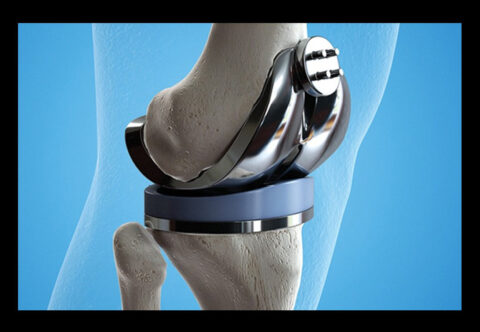
Core categories include Soft-Tissue Surgical Robots, Orthopedic Surgical Robots, Neurosurgical Robots, Laparoscopic Assist Robots, Endoluminal / Flexible Surgical Robots, Spine Surgical Robots and Radiosurgery Robots (Adjacency) among others.
3. Which core technologies are shaping next-generation surgical robots performance?
Key technologies include AI-enabled autonomous visual tracking, multi-modal intraoperative imaging fusion, shape-aware continuum robot control, foundation model-based surgical policy evaluation, and magnetically actuated miniature surgical robots.
4. Who are the primary end users of surgical robots?
End users include tertiary and quaternary care hospitals, specialty surgical centers, academic and teaching hospitals, ambulatory surgical centers (ASCs), defense and trauma centers, surgical training and simulation institutes among others.
5. What are the major drivers influencing surgical robots market expansion?
Primary drivers include rising demand for minimally invasive surgery, better surgeon precision, advancing robotics and AI, growing procedure complexity, aging populations, hospital efficiency goals, expanding ambulatory centers, stronger clinical evidence, and increased healthcare investment.
6. What opportunities are emerging in the surgical robots space?
High-growth opportunities include AI & machine learning integration, AI-Driven instrument recognition & feedback, multi-specialty clinical adoption, rapid market growth trajectory, ai-powered preoperative planning and outpatient & ambulatory care expansion.
7. What challenges limit surgical robots adoption and scale?
Key constraints include high capital & lifecycle costs, regulatory & reimbursement barriers, skilled workforce shortage, ethical & ai governance issues, infrastructure limitations in developing regions and integration with hospital IT & workflows.
8. Which players currently dominate the surgical robots market?
Key participants in the Surgical Robots market include Intuitive Surgical • Medtronic • Stryker, Johnson & Johnson (Ethicon), CMR Surgical, Zimmer Biomet, Smith+Nephew, Asensus Surgical, Renishaw, Globus Medical, Medrobotics, Accuray, Distalmotion, representing a diverse global mix of established multinational OEMs and regionally strong specialized manufacturers.
9. How intense is competition within the surgical robots market?
The surgical robots market is highly competitive and capital-intensive, dominated by a few incumbents with strong IP, installed-base lock-in, and service ecosystems, while new entrants compete via modular designs, lower CAPEX, and specialty-focused differentiation.
10. How will surgical robots influence future healthcare delivery models?
Surgical robots will shift healthcare delivery toward standardized, data-driven, minimally invasive, and decentralized surgical models, enabling higher throughput, outcome predictability, remote collaboration, and expanded access across hospitals and ambulatory surgical centers.