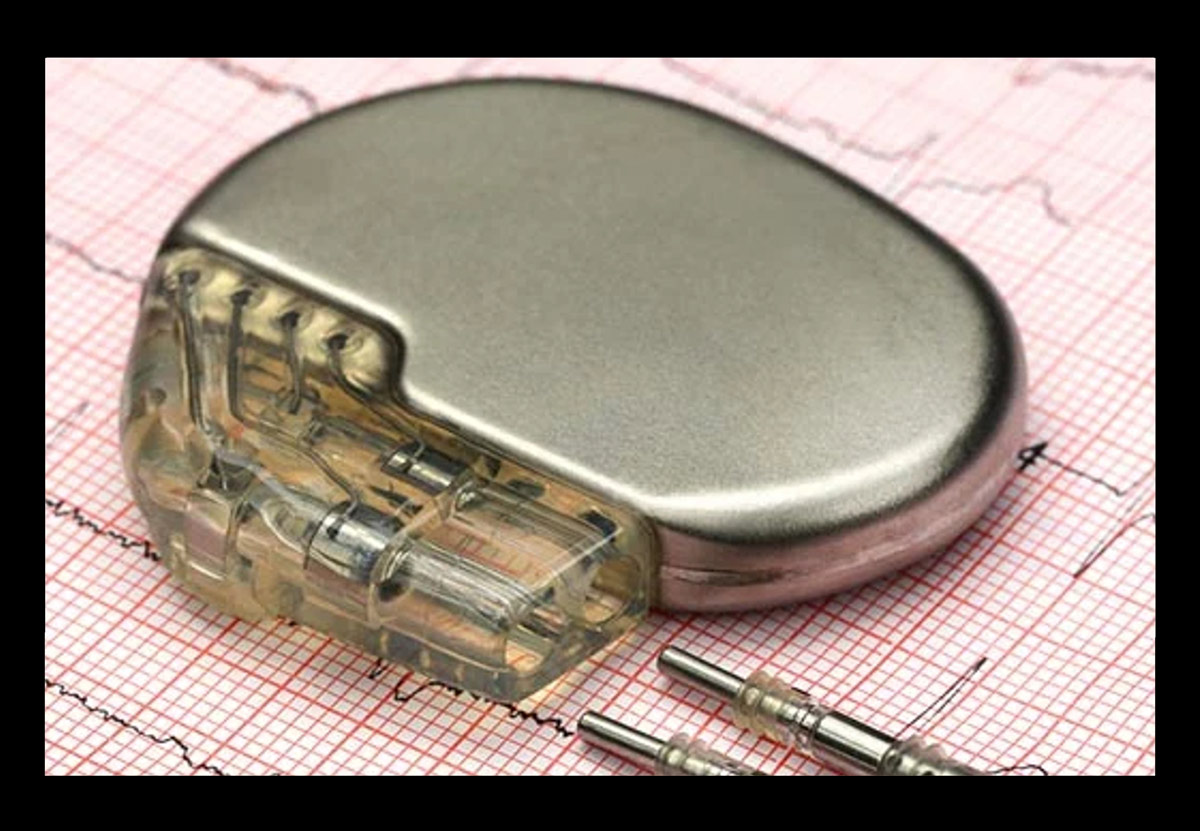
1. What is the projected growth of the global pacemakers market?
The market is expected to expand steadily through 2026-2035 at an estimated 5.4% CAGR, supported by aging populations, higher bradycardia incidence, rising implant volumes, and adoption of leadless and magnetic resonance imaging compatible systems.
2. What are the main types of pacemakers covered in the market?
Core categories include Single-Chamber Pacemakers, Dual-Chamber Pacemakers and Biventricular Pacemakers among others.
3. Which core technologies are shaping next-generation pacemakers performance?
Key technologies include transvenous (conventional) pacemakers, leadless pacemakers, and MRI-Conditional pacemakers.
4. Who are the primary end users of pacemakers?
End users include tertiary and quaternary care hospitals, specialty surgical centers, academic and teaching hospitals, ambulatory surgical centers (ASCs), defense and trauma centers, surgical training and simulation institutes among others.
5. What are the major drivers influencing pacemakers market expansion?
Primary drivers include rising prevalence of cardiovascular arrhythmias, aging demographic with cardiac conduction disorders, technological adoption of leadless & remote monitoring, healthcare infrastructure investment expansion and increased diagnostic awareness & early intervention.
6. What opportunities are emerging in the pacemakers space?
High-growth opportunities include dual-chamber leadless pacing expansion, battery-free energy harvesting platforms, integration of dual leadless & atrioventricular synchrony, advanced energy harvest & bioenergy power systems and clinical adoption in government cardiac programs.
7. What challenges limit pacemakers adoption and scale?
Key constraints include Cardiac Implantable Electronic Device (CIED) infection burden, lead failure & mechanical complications, leadless pacemaker retrieval complexity, limited long-term durability data for leadless systems, battery longevity constraints, MRI conditionality limitations, pacemaker syndrome & hemodynamic dyssynchrony, cybersecurity & wireless vulnerabilities and regulatory stringency under EU MDR (Regulation 2017/745).
8. Which players currently dominate the pacemakers market?
Key participants in the Pacemakers market include Boston Scientific, Biotronik, MicroPort, LivaNova, Medtronic, Abbott, Lepu Medical, and OSYPKA.
9. How intense is competition within the pacemakers market?
Competition is high and concentrated among a few global manufacturers with strong intellectual property, clinical evidence, and established cardiology networks. Barriers to entry are significant due to regulatory requirements, capital intensity, and manufacturing complexity. Differentiation is driven by leadless innovation, device longevity, miniaturization, and remote monitoring integration, with pricing pressure intensifying in mature markets.
10. How will pacemakers influence future healthcare delivery models?
Pacemakers will enable minimally invasive, data-driven, and increasingly outpatient cardiac care. Expansion of leadless systems and remote monitoring will reduce hospital dependency, support earlier intervention, and improve longitudinal rhythm management. Integration with digital health platforms will strengthen outcome tracking and value-based care delivery.