Sodium Ion Surge: Powering the Future of Battery Innovation
$350.00
The report offers a detailed analysis of the global sodium-ion battery market, outlining its status, market outlook, and ecosystem dynamics. It introduces sodium-ion battery technology, compares its performance with lithium-ion systems, and explains its growing relevance as a cost-effective and sustainable energy storage alternative.
It further examines regional market growth, highlighting APAC’s dominance and the emergence of global manufacturing hubs. The study assesses investment flows, regulatory frameworks, and policy support shaping market expansion, along with an overview of key performance metrics critical to battery adoption across applications.
The report also explores technological advancements, patent trends, and recent industry developments, including collaborations, pilot projects, and startup activity. Drivers, trends, opportunities, and challenges influencing commercialization and scale-up are analysed to provide a balanced view of market evolution.
Finally, the report presents a forward-looking perspective, focusing on future growth opportunities, India’s role in sodium-ion battery research and EV innovation, and the strategic path forward for industry stakeholders, manufacturers, investors, and policymakers.
| S.No | Topic |
|---|---|
| 1 | Global Sodium Ion Battery Market Outlook |
| 1.1 | Sodium Ion Battery | Ecosystem Analysis |
| 1.2 | Sodium Ion Battery | Market Outlook |
| 1.3 | Sodium Ion Battery | Growth by Region | APAC Dominance Market Growth |
| 1.4 | Sodium Ion Battery | IntroductionSodium Ion Battery | Investments |
| 1.5 | Sodium Ion Battery | Technological Advancements |
| 1.6 | Sodium Ion Battery | Regulatory Framework |
| 1.7 | Sodium Ion Battery | Recent Industry Developments |
| 1.8 | Sodium Ion Battery | Drivers & Trends |
| 1.9 | Sodium Ion Battery | Opportunities & Challenges |
| 1.10 | Sodium Ion Battery | Startups and Ongoing Project |
| 1.11 | Sodium Ion Battery | Global Patents Filing and Trends |
| 1.12 | Sodium Ion Battery | Future of EV Batteries in India: Research and Innovation |
| 1.13 | Sodium Ion Battery | Global Manufacturing Hub |
| 1.14 | Sodium Ion Battery | Manufacturing Hub and its Role |
| 1.15 | Sodium Ion Battery | Key Performance Metrics for Lithium and Sodium Ion Battery |
| 1.16 | Sodium Ion Battery | Pestel Analysis | 2 | Path Forward |
| 2.1 | Forward Looking Statements |
1. What is sodium ion battery, and why is it significant?
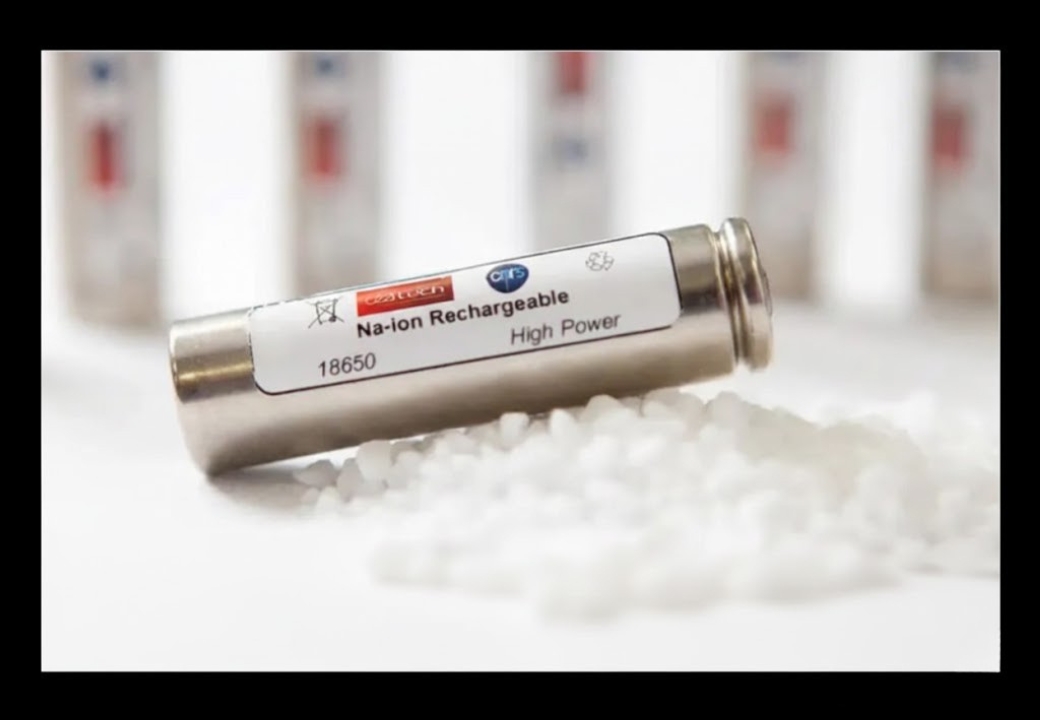
A sodium-ion battery is a rechargeable battery that uses sodium ions as charge carriers instead of lithium ions. It offers a cost-effective and safer alternative to lithium-ion batteries, with abundant sodium resources enabling scalable energy storage solutions for electric vehicles and grid applications.
2. Can sodium ion batteries use in electric cars?
Yes, sodium-ion batteries can be used in electric cars, mainly for low-cost and short-range urban EVs. They are cheaper, safer, and made from abundant materials, but their lower energy density limits long-range performance. As technology improves, they are expected to become a strong option for affordable city-focused EVs.
3. How are government policies influencing the sodium-ion battery market?
Supportive policies, incentives, and funding from governments worldwide are accelerating R&D and commercialization. Regulatory frameworks are evolving to classify and safely transport sodium-ion batteries, facilitating wider market adoption.
4. Who are some leading companies and startups in the sodium-ion battery space?
Key players include CATL with its Naxtra brand, Faradion (Reliance Industries), Natron Energy, and several startups focusing on hard carbon anodes from biomass and localized manufacturing to address regional demands.
5. Which region has the largest market size in sodium-ion batteries?
The Asia Pacific sodium ion battery market dominated the global market and accounted for the largest market size of ~48.92% in 2024 due to Increasing Adoption in Electric Mobility and Stationary Storage, Growing Renewable Energy Integration, Abundant and Low-Cost Raw Materials and Government Support and Policies.
6. What is the market outlook for sodium-ion batteries?
The global sodium-ion battery market is rapidly growing and expected to expand at a CAGR of around 23.3% from 2024 to 2034, driven by increasing demand for affordable energy storage, grid stabilization, and low-speed electric vehicles.
7. What are the key advantages of sodium-ion batteries compared to lithium-ion batteries?
Sodium-ion batteries offer lower cost due to abundant raw materials, better thermal stability and safety, and good cycle life. They are especially suitable for cold climates and large-scale stationary storage despite lower energy density than lithium-ion batteries.
8. What challenges does the sodium-ion battery market face?
Challenges include limited energy density compared to lithium-ion, immature supply chains for mass-scale cell fabrication, electrolyte stability issues at different temperatures, and lattice stress during ion intercalation affecting long-term durability.
9. What are the primary technical challenges limiting the energy density of sodium-ion batteries compared to lithium-ion batteries?
Sodium-ion batteries have lower energy densities (around 100-160 Wh/kg) compared to lithium-ion batteries (150-270 Wh/kg) mainly because sodium ions are larger and heavier than lithium ions. This requires more material and space to store the same amount of charge. Additionally, sodium chemistry results in lower operating voltages, limiting their compactness and energy storage in small devices.
10. What is the future outlook for sodium-ion batteries in electric vehicles?
Though sodium-ion batteries currently have lower energy density, ongoing innovation may expand their role in entry-level and low-speed EVs. Their cost-effectiveness, safety, and cold-weather performance make them promise for urban mobility and grid-supportive transport solutions.