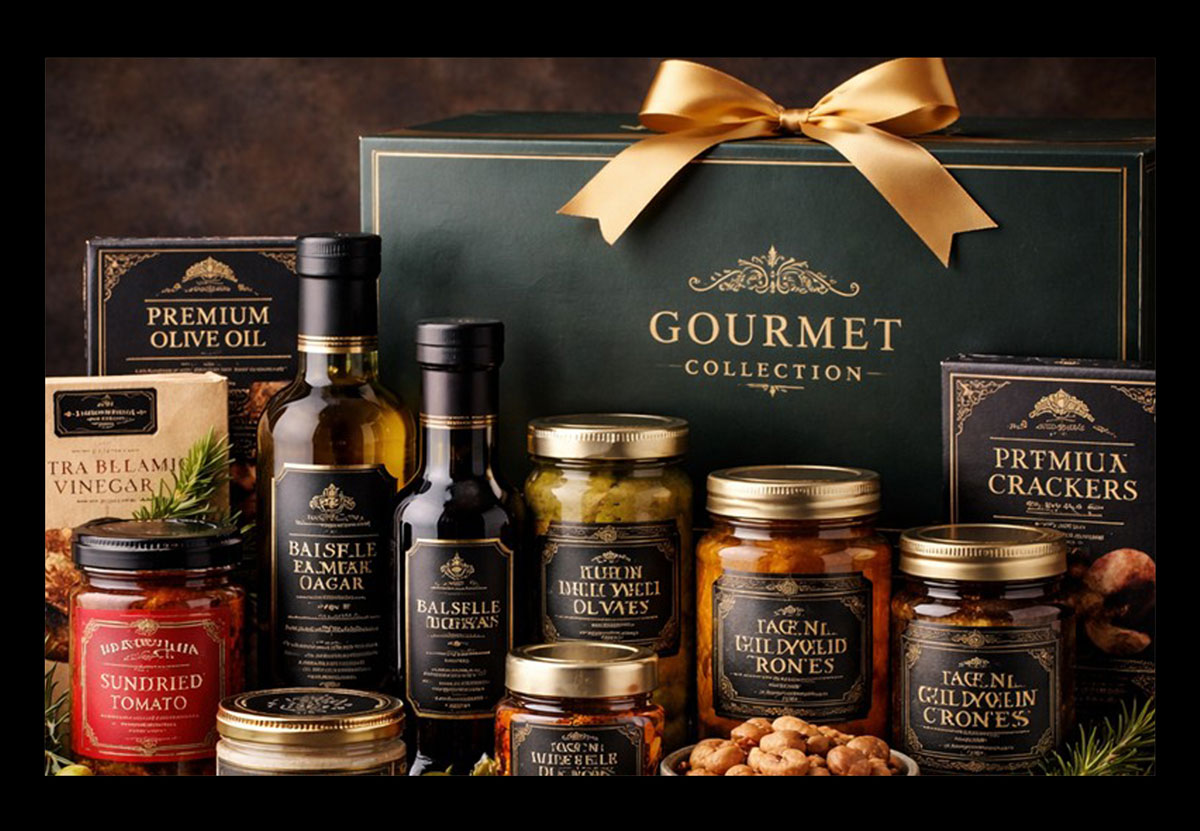
Premiumization in a Value-Conscious World
$350.00
The report, “Premiumization in a Value-Conscious World,” provides a comprehensive analysis of how premiumization has evolved from status-led luxury to value-justified, benefit-driven consumption across global and Indian FMCG markets.
It highlights a projected 20.4% CAGR in global premium FMCG (2026–2035), driven by health, functionality, clean labels, and personalized experiences. In India, premium is growing nearly 2× faster than mass, with rural markets accelerating through affordable premium packs. The report outlines key drivers, regional dynamics, industry economics, leading players, and a forward-looking strategic outlook positioning premiumization as a structural, long-term growth engine.
Global Market Dynamics
- Premiumization | The Evolution
- Premiumization | Global Market Overview
- Premiumization | Current Market Scenario
- Premiumization | Value for Premium
- Premiumization | Key Components
- Premiumization | Regional Regulatory Framework
- Premiumization | Opportunities & Challenges
Indian Market Dynamics
- Premiumization | Market Overview
- Premiumization | Indian Industry Economics
- Premiumization | Drivers
- Premiumization | Key Industries
- Premiumization | Key Players
- Premiumization | Key Players in Affordable Premium
Key Takeawys
- Path Forward
1. What is the revenue outlook for the global premium FMCG market?
The global premium FMCG market is projected to grow from USD 63.4 Bn in 2025 to USD 405.8 Bn by 2035, reflecting a strong 20.4% CAGR (2026–2035). This indicates that premiumization is no longer niche but a structural growth engine driven by value mix, pricing power, and benefit-led differentiation.
2. Which regions are leading premiumization growth globally?
Asia-Pacific (APAC) is the fastest-growing region, supported by rising urbanization and disposable incomes. North America and Europe remain mature but stable premium markets driven by health, sustainability, and ethical positioning. Latin America and MEA show selective growth, with stronger premium demand in urban and GCC markets.
3. What does “premiumization in a value-conscious world” mean?
Premiumization today is benefit-led, not price-led. Consumers are willing to pay more only when products deliver tangible functional, emotional, or experiential benefits. Premium is increasingly defined as “worth the money,” not “most expensive”.
4. How has premiumization evolved over time?
Premiumization has shifted from craftsmanship and status signaling to personalization, ethics, digital engagement, and performance-led value. The modern wave emphasizes transparency, sustainability, and tailored consumer experiences.
5. Why are health and functional claims driving premium growth?
Products with health, clean-label, and functional positioning grow 1.5–2.0× faster than conventional FMCG categories. Consumers increasingly prioritize performance outcomes such as nutrition, gut health, and ingredient transparency.
6. How resilient is premium demand during economic stress?
Premium demand shows selective resilience. While purchase frequency may decline (~2–5%), average basket value increases (~6–10%) due to premium SKUs. Consumers tend to cut mid-tier brands first while protecting chosen premium brands.
7. What role does rural India play in premiumization growth?
Rural India is emerging as a strong incremental growth driver. Premium FMCG volumes in rural markets are growing faster (9%) than in urban markets (6%), supported by affordable premium SKUs and deeper distribution.
8. How significant is premium in India’s FMCG revenue mix?
Premium brands account for 27% of FMCG sales and drive 42% of FMCG value growth, growing nearly 2× faster than mass segments—indicating structural consumer trade-up behavior.
9. What are the key components defining premiumization in 2026?
Core components include proven performance, smart indulgence, ethical and circular value, elevated convenience, personalization at scale, and authentic craft & origin. Consumers expect outcomes, not just claims.
10. What are the major opportunities and challenges in premium FMCG?
Opportunities include functional foods, clean-label products, and rising middle-class demand in emerging markets. Challenges include affordability ceilings, SKU complexity, inflation risk, and uneven category performance—making execution highly selective.