1. What is the projected growth of the global dental implants market?
The market is expected to expand steadily through 2026-2035 at an estimated 8.1% CAGR, supported by aging populations, rising edentulism prevalence, increasing restorative procedure volumes, and rapid adoption of digitally guided, immediate load, and zirconia-based implant systems.
2. What are the main types of dental implants covered in the market?
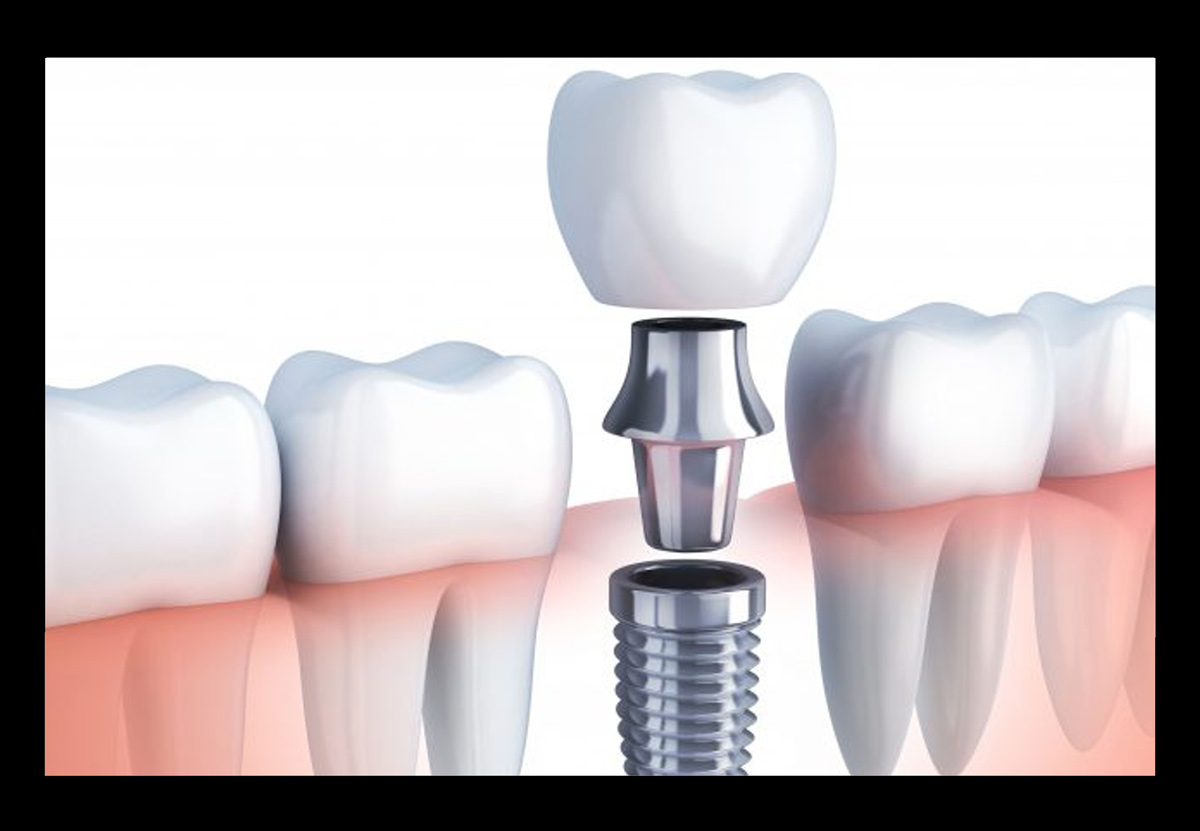
Core categories include root-form implants (tapered, parallel-walled), plate-form implants, zygomatic implants, mini dental implants, implant abutments (stock, customized) among others.
3. Which core technologies are shaping next-generation dental implants performance?
Key technologies include ai-enhanced 3D treatment planning, nanoscale surface functionalization, dynamic computer-assisted surgical navigation, embedded microelectromechanical sensor implants, additive manufacturing of patient-specific implants, and registration-free volumetric planning networks.
4. Who are the primary end users of dental implants?
End users include dental clinics (independent practices), Dental service organizations (DSOs), hospitals, and academic & research institutes among others.
5. What are the major drivers influencing dental implants market expansion?
Primary drivers include digital surgical workflow integration, immediate loading protocol adoption, advanced bioactive surface engineering, dental service organization consolidation and geriatric edentulism prevalence.
6. What opportunities are emerging in the dental implants space?
High-growth opportunities include integration of optical and robotic guidance in surgery, AI-driven predictive analytics for osseointegration outcomes, patient-specific additive manufacturing with functionally graded materials, smart biofeedback implants for peri-implant health monitoring and regulatory harmonization & global UDI implementation.
7. What challenges limit dental implants adoption and scale?
Key constraints include surgical navigation accuracy constraints, compromised bone density outcomes, medical-grade titanium supply volatility, European medical device regulation compliance burden and digital workflow interoperability gaps.
8. Which players currently dominate the dental implants market?
Key participants in the dental implants market include BioHorizons; Nobel Biocare (Envista); ZimVie Inc.; Osstem Implant; Institut Straumann AG; Bicon, LLC; Leader Medica; Dentsply Sirona; Dentis; Dentium Co., Ltd.; T-Plus Implant Tech Co. Ltd.; Kyocera Medical Corp; Double Medical Technology Inc.; Bioconcept Dental Implants; Neoss Ltd.; Southern Implants; Envista (Danaher); Henry Schein, Inc.; Cortex; CeraRoot; and Zest Dental Solutions.
9. How intense is competition within the dental implants market?
Competition is high, with premium global leaders competing against value-segment manufacturers. Differentiation is driven by surface technology, digital integration, clinical evidence, and pricing pressure from dental service organization procurement consolidation.
10. How will dental implants influence future healthcare delivery models?
Dental implants will strengthen digitally integrated, outpatient care models through guided surgery and computer-aided design and computer-aided manufacturing workflows, enabling same-day protocols, higher procedural efficiency, and expanded access in cost-sensitive markets.