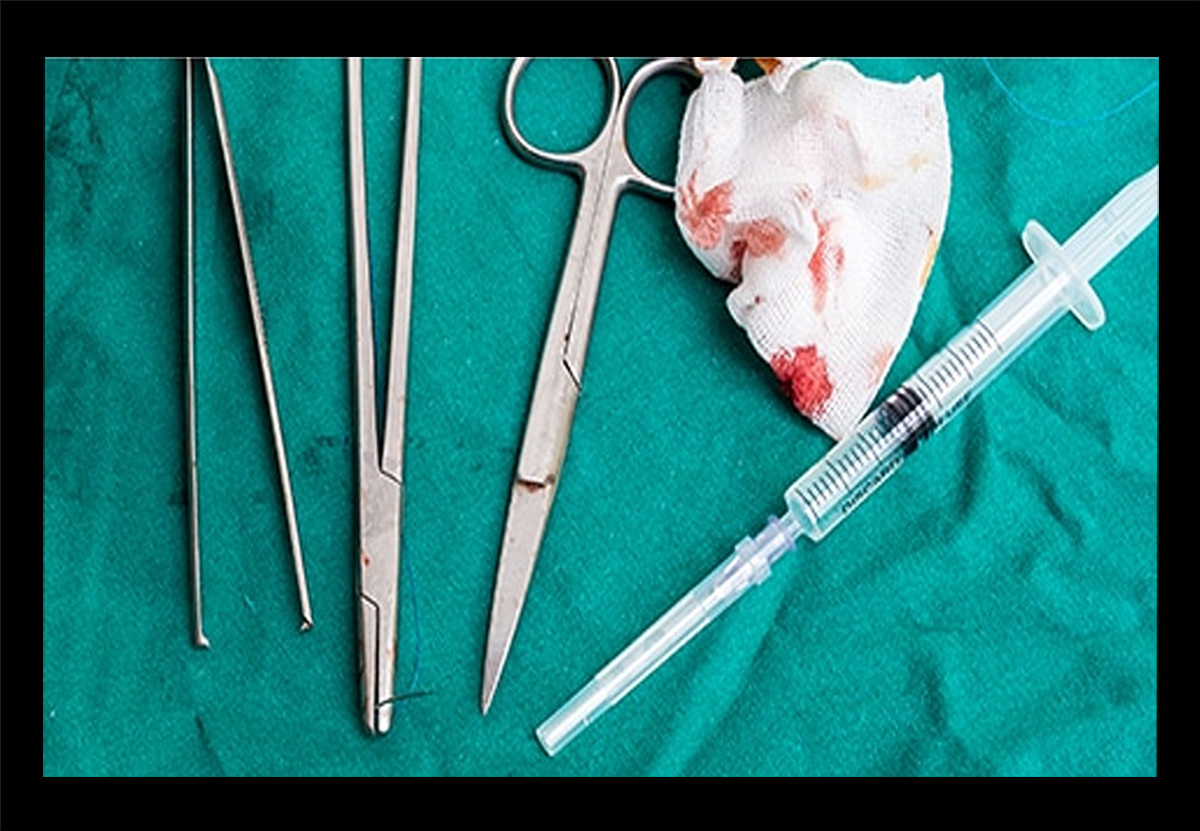
Global Wound Care Devices Market Outlook
$350.00
- The Global Wound Care Devices Market Outlook provides a structured assessment of market size, growth trajectory, competitive landscape, and leading manufacturers, supported by procedure volumes, prevalence data, and regional demand analysis, including India. It reviews regulatory pathways and reimbursement structures influencing commercialization.
- The report covers market sizing, statistics, top players, and ecosystem mapping across suppliers, manufacturers, distributors, and digital dentistry platforms. It evaluates technological advancements, value chain structure, clinical application areas, and competitive intensity through Porter’s Five Forces analysis.
- Market dynamics assessment outlines key drivers, opportunities, challenges, and risk exposure across pricing, compliance, and supply chain domains. Strategic conclusions define investment focus, innovation priorities, and forward positioning across the global dental implants market.
Global Pacemakers Market Outlook
- Wound Care Devices | Introduction
- Wound Care Devices | Market Size
- Wound Care Devices | Top Players
- Wound Care Devices | Statistics
- Wound Care Devices | Wound Care Devices in India
- Wound Care Devices | Value Chain and Ecosystem Analysis
- Wound Care Devices | Technological Advancements
- Wound Care Devices | Porter’s Five Forces Analysis
- Wound Care Devices | Regulatory Framework
- Wound Care Devices | Key Clinical Application Areas
- Wound Care Devices | Drivers
- Wound Care Devices | Opportunities
- Wound Care Devices | Challenges
Key Takeaways
- Path Forward
- What is the projected growth of the global wound care devices market?
The market is expected to expand steadily through 2026-2035 at an estimated 4.7% CAGR, supported by rising chronic wound prevalence, increasing surgical procedures, expanding aging populations with impaired healing, and growing adoption of advanced wound management technologies. - What are the main types of wound care devices covered in the market?
Core categories include advanced wound dressings, negative pressure wound therapy devices, wound closure devices, electrical stimulation wound therapy devices, hyperbaric oxygen therapy systems, pressure relief & wound support systems, among others. - Which core technologies are shaping next-generation wound care devices performance?
Key technologies include AI-driven wound diagnostics and monitoring, biosensor-integrated smart wound dressings, electrospun nanofiber regenerative scaffolds, photothermal antimicrobial nanofiber dressings, infection-responsive biomaterial dressings and AI-telemedicine wound platforms. - Who are the primary end users of wound care devices?
End users include hospitals, ambulatory surgical centers, home healthcare settings and long-term care facilities, among others. - What are the major drivers influencing wound care devices market expansion?
Primary drivers include rising prevalence of chronic wounds, aging population with delayed tissue regeneration, innovation in advanced wound care technologies, adoption of digital wound monitoring systems, and increasing surgical and trauma cases. - What opportunities are emerging in the wound care devices space?
High-growth opportunities include smart biosensor-integrated wound dressings, AI-driven wound monitoring platforms, electrospun nanofiber smart biomaterial dressings, bioinspired microneedle therapeutic delivery systems, and intelligent hydrogel and bioelectronic wound platforms. - What challenges limit wound care devices adoption and scale?
Key constraints include reimbursement pressure on skin substitute products, high cost burden of chronic wound treatment, lack of standardized clinical trial endpoints, high treatment cost of device-based wound therapies and subjective wound assessment and monitoring practices. - Which players currently dominate the wound care devices market?
Key participants operating in the global wound care and medical device ecosystem include Smith & Nephew, Talley Group Ltd, Cardinal Health, ConvaTec Inc., DeRoyal Industries, Inc., BSN Medical, Medela AG, and 3M. The competitive landscape further includes advanced wound management and biomaterials specialists such as Organogenesis Inc., Coloplast Group, Integra LifeSciences Corporation, and Acelity L.P., Inc., alongside diversified medical technology providers including B. Braun Melsungen AG, Hollister Incorporated, Mölnlycke Health Care AB, Medline Industries, Inc., and Ethicon, Inc. (a subsidiary of Johnson & Johnson). - How intense is competition within the wound care devices market?
Competition in the wound care devices market is highly intense, driven by strong participation from multinational medical technology companies such as 3M, Smith & Nephew, ConvaTec Inc., Mölnlycke Health Care AB, and Coloplast Group, which compete through continuous product innovation, clinical differentiation, and strategic hospital procurement partnerships. - How will wound care devices influence future healthcare delivery models?
Wound care devices will significantly influence future healthcare delivery by enabling decentralized treatment models, including home-based care, remote monitoring, and value-based chronic wound management supported by advanced therapeutic technologies.