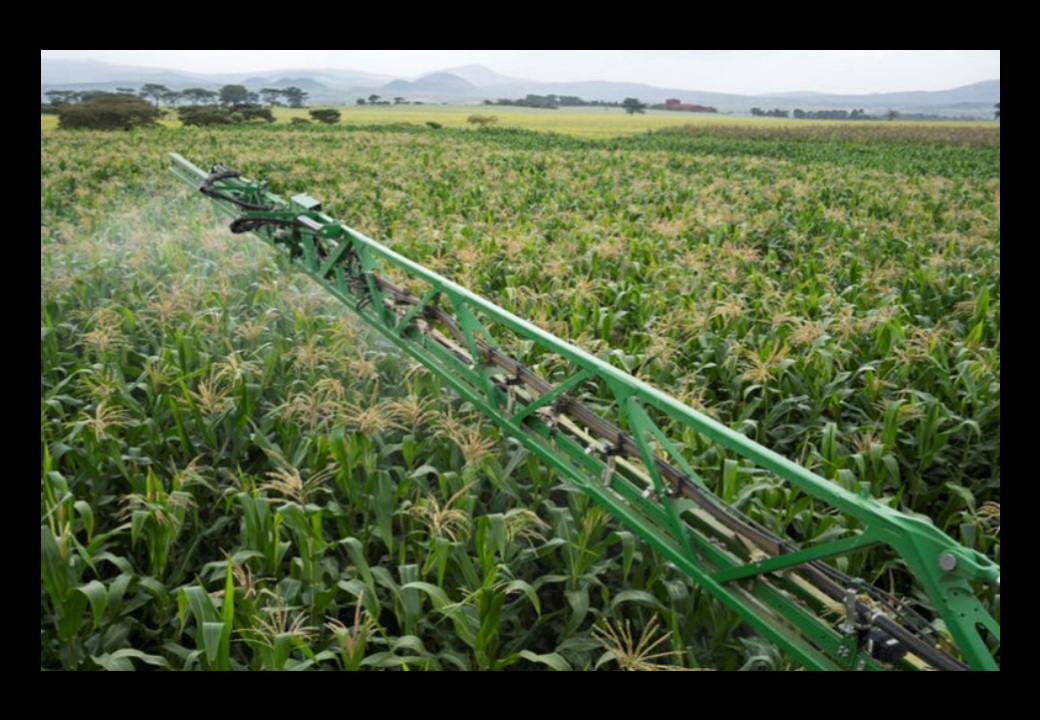
Global Agrochemicals Market Outlook
$350.00
The Global Agrochemicals Market report provides an integrated overview of the industry, covering market outlook, regional performance, regulatory frameworks, and evolving market dynamics. It examines the role of agrochemicals in modern agriculture and assesses demand trends across key regions including Asia-Pacific, North America, Europe, Latin America, and the Middle East & Africa.
The report analyzes the agrochemicals R&D value chain and evaluates regulatory and policy environments, including government initiatives such as the One Nation & Fertilizer Scheme, and highlights challenges in R&D related to cost escalation, resistance management, and regulatory approvals.
Further, the report explores the role of technology and recent technological advancements, including precision agriculture tools, digital agronomy platforms, and innovations in formulation and biological crop protection. It concludes with key takeaways and a forward-looking path, outlining how innovation, regulatory alignment, and sustainability will shape the future of the global agrochemicals market.
Global Agrochemicals Market Outlook
- Agrochemicals | Introduction
- Agrochemicals | Market Outlook
- Agrochemicals | Regional Outlook
- Agrochemicals | Regulatory Framework
- Agrochemicals | Value Chain
- Agrochemicals | Challenges In R&D
- Agrochemicals | Technology’s Role in Agrochemicals
- Agrochemicals | Technological Advancements
- Agrochemicals | Market Dynamics
- Agrochemicals | Production Process
Key Takeaways
- Path Forward
1. What is the global Agrochemicals market size and growth rate?
The market is valued at around $262 billion in 2025 and is projected to exceed $355 billion by 2035, growing at a CAGR of roughly 3%.
2. Which regions are leading in market share?
Asia-Pacific has the largest share globally due to vast agricultural land, high population and food demand, and extensive cultivation of staple crops like rice, wheat, vegetables. Thus, driving heavy use of fertilizers and crop protection chemicals.
3. Who are the major global players in Agrochemicals?
Leading companies include Evonik, BASF, Bayers, Croda, Yara, and several regional players specializing in Agrochemicals.
4. What are the main drivers for market growth?
- Population growth and food security needs
- Urbanization and land scarcity
- Rise of sustainable and bio-based products
5. What are key challenges facing the industry?
- Strict regulatory restrictions
- Raw material price volatility
- Pest and weed resistance
6. What trends are shaping the market?
- Micro-encapsulation technologies
- Regenerative biofertilizers
7. Which technological advancements are important?
Key advancements include:
- Spray-Induced Gene Silencing (SIGS) with RNAi
- Nanoparticle-loaded dsRNA delivery
8. What are future market opportunities?
High-potential areas include:
- Bio-based fertilizers and pesticides
- Biostimulants and soil health products