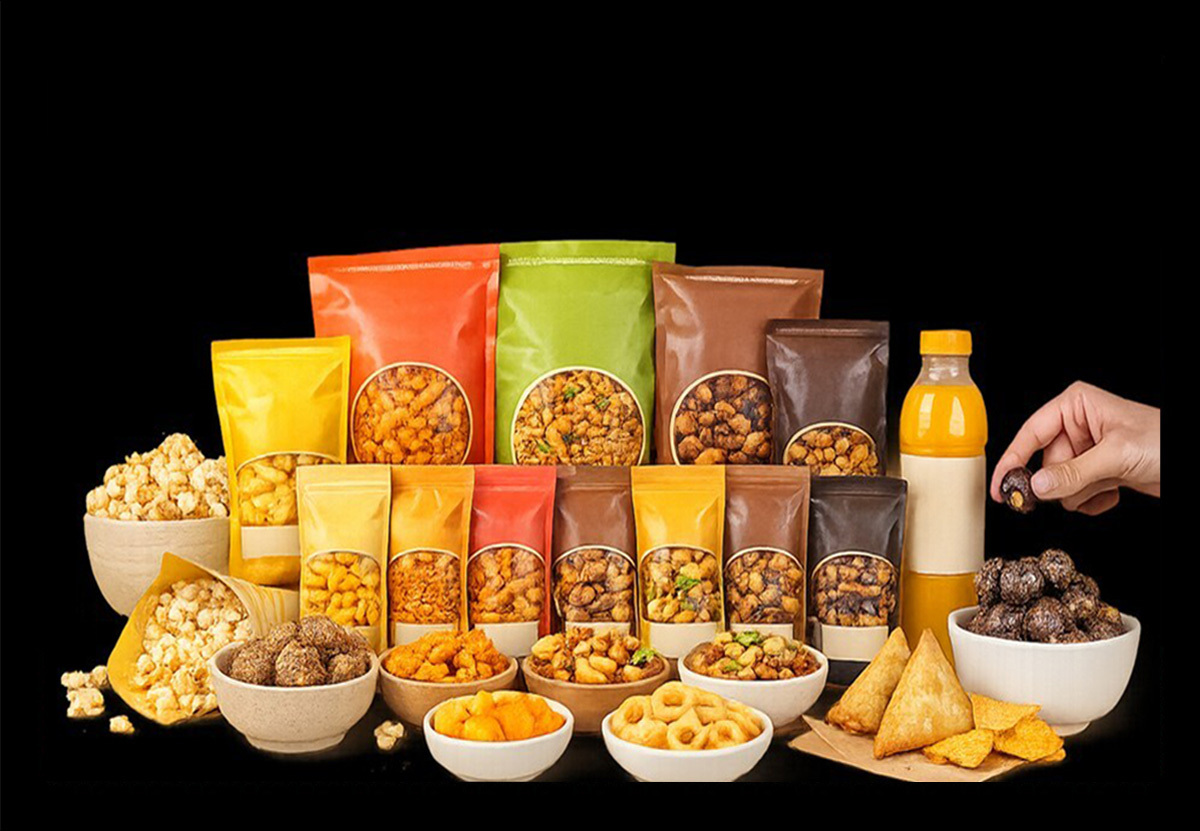
1. What is the market size and growth outlook for the Indian snacks market?
The Indian snacks market is on a strong growth trajectory, projected to expand steadily through 2034, driven by rising disposable incomes, urbanization, and increasing demand for convenient and premium snacking options. Growth is supported by both volume expansion in traditional formats and value growth through premium, health-oriented products.
2. Which segments are leading the Indian snacks market?
The savoury snacks segment dominates due to mass consumption and strong regional preferences, while healthy snacks—such as nuts, seeds, and millet-based products—are the fastest-growing. Frozen and ready-to-eat segments are also gaining traction in urban markets.
3. What are the key demand drivers in the Indian snacks market?
Key drivers include rapid urbanization, busy lifestyles, rising disposable incomes, and a young population seeking convenience and variety. Additionally, growing health awareness is accelerating demand for clean-label, natural, and functional snack options.
4. How is consumer behaviour evolving in the snacks category?
Consumers are shifting toward high-frequency, on-the-go consumption with a preference for smaller pack sizes and impulse purchases. There is also a strong move toward healthier alternatives, with increasing demand for low-calorie, additive-free, and nutrient-rich snacks.
5. What role does product innovation play in market growth?
Innovation is central to growth, with brands focusing on millet-based snacks, baked and air-fried formats, and functional ingredients. The fusion of traditional Indian flavours with modern health-focused formulations is driving differentiation and premiumization.
6. How are traditional Indian snacks being transformed?
Traditional snacks are being reinvented through healthier cooking methods such as baking and air-frying, along with the incorporation of millets and superfoods. This allows brands to retain authenticity while aligning with modern health and wellness trends.
7. How is channel fragmentation impacting the snacks market?
Demand is increasingly fragmented across general trade, modern retail, e-commerce, and quick commerce platforms. This creates complexity in distribution and demand planning, requiring brands to adopt channel-specific strategies and optimize omnichannel presence.
8. What role does packaging play in the snacks ecosystem?
Packaging is critical for both convenience and compliance, with flexible pouches and small pack sizes dominating the market. There is also increasing emphasis on sustainable packaging solutions driven by regulatory requirements and consumer awareness.
9. What are the major operational challenges in the snacks market?
Key challenges include managing a highly fragmented and unorganized market, ensuring consistent quality across regions, navigating regulatory compliance, and balancing cost pressures with the need for innovation and premiumization
10. What are the key opportunities for brands and stakeholders?
Opportunities lie in premiumization, millet-led innovation, expansion into healthy and functional snacking, and leveraging digital and quick commerce channels. Brands that integrate data-driven strategies, strengthen distribution, and align with health and sustainability trends are best positioned for growth.