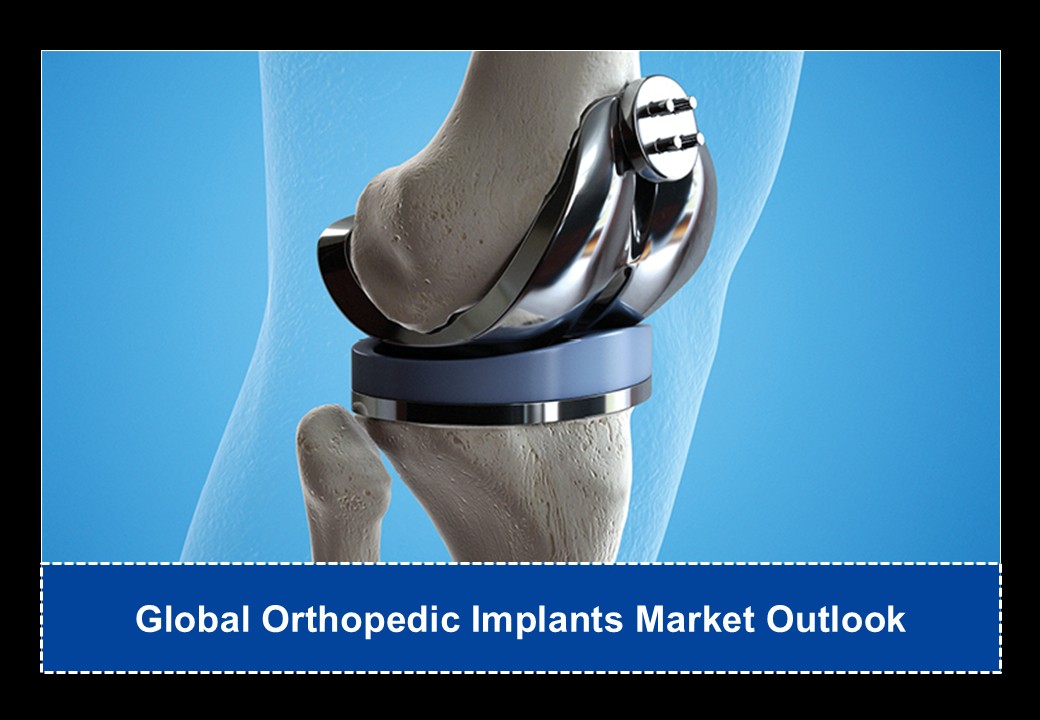
1. What is the projected growth of the global orthopedic implants market?
The market is expected to expand steadily through 2026–2035 at an estimated 4.4% CAGR, supported by rising musculoskeletal disease burden, higher elective and trauma procedure volumes, and continued investment in advanced manufacturing, outpatient surgical infrastructure, and implant innovation.
2. What are the main types of orthopedic implants covered in the market?
Core categories include joint reconstruction implants (hip, knee, shoulder), trauma implants, spinal implants, among others.
3. Which core technologies are shaping next-generation orthopedic implant performance?
Key technologies include additive manufacturing, patient-specific and AI-assisted implant design, advanced surface engineering and bioactive coatings, robotics- enabled implantation workflows, and integrated digital navigation/monitoring solutions.
4. Who are the primary end users of orthopedic implants?
End users include hospitals, and outpatient facilities, among others.
5. What are the major drivers influencing orthopedic implant market expansion?
Primary drivers include aging populations, rising prevalence of orthopedic disorders, and expansion of healthcare infrastructure & surgical volumes.
6. What opportunities are emerging in the orthopedic implants space?
High-growth opportunities include antibacterial surface coatings, additive manufacturing (am) with bioactive composites, topology-optimized, patient-specific implants and next-generation implant materials.
7. What challenges limit orthopedic implant adoption and scale?
Key constraints include regulatory and commercialization complexity, biofilm resilience and translation gap, AM-manufactured implant quality control and metallic ion toxicity & long-term stability.
8. Which players currently dominate the orthopedic implants market?
Key participants in the orthopedic implants market include Stryker Corporation, Johnson & Johnson MedTech, Zimmer Biomet Holdings, Inc., Smith+Nephew, and B. Braun. The competitive landscape also features Globus Medical, Inc., Arthrex, Inc., Enovis, Acumed LLC, and Orthofix Medical Inc. Additional significant players are MicroPort Scientific Corporation, CONMED Corporation, Medacta International, Paragon 28, Inc., and Meril Life Sciences Pvt. Ltd., representing a diverse global mix of established multinational OEMs and regionally strong specialized manufacturers.
9. How intense is competition within the orthopedic implants market?
Competition is high due to mature product portfolios, strong OEM consolidation, rapid technology upgrades, procurement-driven pricing pressure, and differentiation centered on digital integration, robotics ecosystems, and evidence-based clinical performance.
10. How will orthopedic implants influence future healthcare delivery models?
Orthopedic implants will support broader adoption of outpatient joint and spine procedures, enhanced longevity and revision-risk reduction, robotics-supported surgical standardization, personalized implant pathways, and value-based, outcomes-driven orthopedic care models.