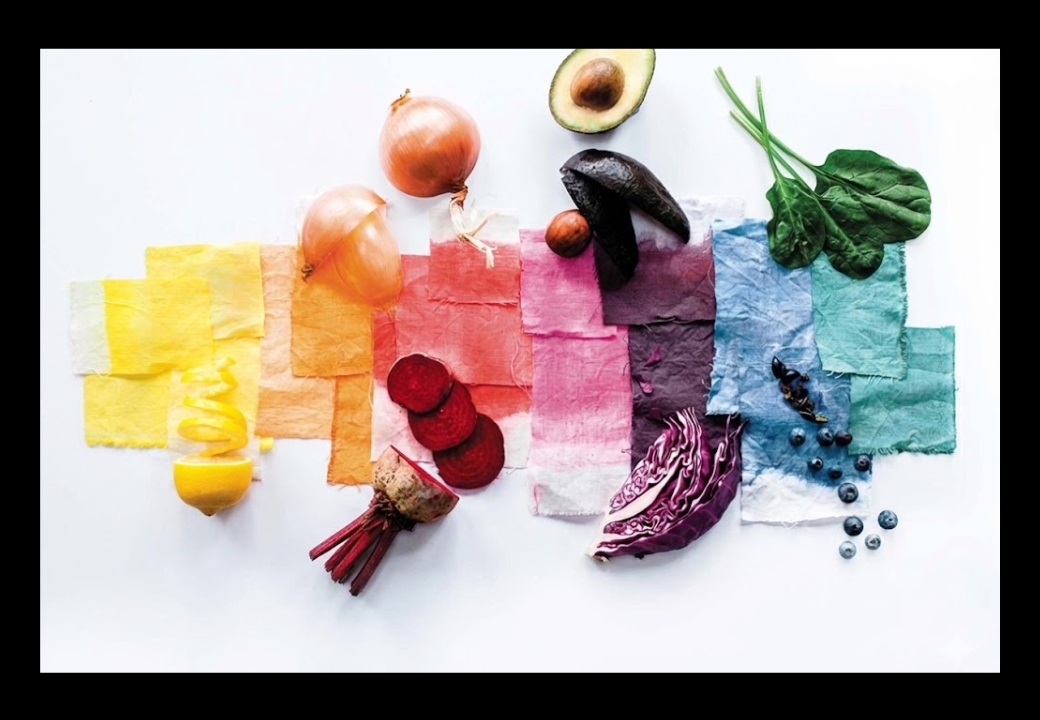
The global natural dyes market report provides a comprehensive analysis of market size, growth dynamics, and competitive landscape, covering key product sources and processing technologies used in natural colorant production. It examines the natural dyes value chain, from raw material sourcing to extraction, formulation, and end-use delivery across textiles, food, personal care, and other applications.
The report evaluates market segmentation by form, source, end use, application and region, highlighting regulatory frameworks, sustainability standards, and technological advancements such as advanced extraction methods and bio-based pigment innovation across major markets including Asia-Pacific, Europe, and North America. It further analyzes key players, market trends, growth drivers, and challenges, while forecasting robust growth driven by clean-label adoption, eco-friendly regulations, and increasing demand for
sustainable coloring solutions.
Global Natural Dyes Market Outlook
- Natural Dyes | Definition & Segments
- Natural Dyes | Market Outlook
- Natural Dyes | Regional Outlook
- Natural Dyes | Regulatory Framework
- Natural Dyes | Value Chain
- Natural Dyes | Technological Advancements
- Natural Dyes | Drivers & Challenges
- Natural Dyes | Trends & Opportunities
- Natural Dyes | Extraction Process
- Natural Dyes | Industrial Developments
- Natural Dyes | Case Study
Key Takeaways
1. What is the global natural dyes market size and growth rate?
The market is valued at around $3.8 billion in 2024 and is projected to exceed $6.7 billion by 2034, growing at a CAGR of roughly 5.8%.
2. Which regions are leading in market share?
Asia-Pacific dominates production due to abundant biodiversity and traditional extraction practices, while Europe leads in premium demand and sustainability- driven innovation. North America shows steady growth driven by clean-label and eco-friendly product adoption.
3. Who are the major global players in natural dyes?
Leading companies include Archroma, BASF, Cargill, Atul Ltd, and several regional players specializing in natural dyes.
4. How is the value chain structured?
The natural dyes value chain spans: Raw Material Sourcing → Extraction & Processing → Quality Control & Certification → Formulation & Delivery → Distribution & Logistics → End Use & After-Sales Support.
5. What are the main drivers for market growth?
- Rising demand for eco-friendly, bio-based colorants
- Stringent regulations on synthetic dyes
- Increasing consumer awareness of toxicity and sustainability
6. What are key challenges facing the industry?
- Higher production costs vs. synthetic dyes
- Inconsistency in color quality
- Supply constraints due to dependence on crops and climate
7. What trends are shaping the market?
- Surge in bio-based & fermentation-derived pigments
- Adoption of clean-label rules across food & cosmetics
8. What is the role of regulation in the market?
Natural dyes are shaped by global regulations such as:
- REACH (Europe) for chemical safety
- US FDA approvals for colorants in food & cosmetics
- Textile eco-label standards (GOTS, OEKO-TEX)
9. Which technological advancements are important?
Key advancements include:
- Microwave-Assisted Extraction (MAE)
- Enzymatic Extraction
- Grinding-Assisted Microwave Extraction
- Supercritical Fluid Extraction (SFE)
- Microbial Fermentation and Biotechnology
10. What are future market opportunities?
High-potential areas include:
- Expanding into new applications
- Cost-reduction & scalability technologies
- Collaborations for reliable raw material sources
- Demand for “clean label”