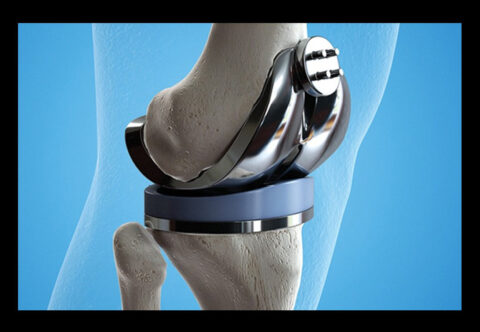
1. What is the projected growth of the global biomaterials market?
The market is expected to grow from USD 157.7 Bn in 2024 to USD 431.3 Bn by 2033, registering a 13.1% CAGR driven by increasing implant procedure volumes, accelerated adoption of advanced polymeric/ceramic composites, regenerative medicine scale-up, and sustained investments in specialty material manufacturing capacity for medical devices and tissue engineering solutions.
2. What are the main types of biomaterials covered in the market?
Key material classes include ceramic, metallic, natural, polymers and others.
3. Which core technologies enable modern biomaterial performance?
The competitive landscape is shaped by keratin-derived functional biomaterials, 4D shape-morphic biomaterials, plasma-modified polymeric surfaces, functional amyloid fibril platforms and AI-Driven sustainable polymer design.
4. Who are the primary end users of biomaterials?
End users span medical device manufacturers, pharmaceutical companies, healthcare providers, dental clinics and others.
5. What are the major drivers influencing biomaterials market expansion?
Key drivers include rising prevalence of chronic and degenerative diseases, advancements in additive and smart manufacturing and healthcare capital expenditure growth & regulatory facilitation.
6. What opportunities are emerging in the biomaterials space?
High-growth opportunities include programmable biomaterials for personalized regenerative medicine, bioelectronic hydrogels for neuromodulation therapies, synthetic biology-engineered biomaterials, AI- Guided biomaterial discovery, 4D biomaterials for shape-morphing implants and nanostructured biomaterials.
7. What challenges limit clinical-grade biomaterial adoption?
Key constraints include biocompatibility and immune response, scalability of advanced biomaterials, controlled degradation kinetics and regulatory and standardization barriers.
8. Which players currently dominate the biomaterials market?
The competitive field is led by major players including BASF SE, Carpenter Technology Corporation, Evonik Industries AG, Mitsubishi Chemical Group Corporation, CAM Bioceramics B.V., GELITA AG, Covestro AG, DSM, Victrex Plc, CoorsTek Inc., Zeus Company Inc., Celanese Corporation, Corbion NV, CeramTec GmbH, Berkeley Advanced Biomaterials, AMETEK Inc.
9. How intense is competition within the biomaterials market?
Competition in the biomaterials market is highly intense due to rapid material innovation cycles, strong presence of diversified multinational
suppliers, continuous regulatory-driven product differentiation, and aggressive pipeline expansion across orthopedic, cardiovascular, and
regenerative medicine applications.
10. How will biomaterials influence future healthcare delivery models?
Biomaterials will enable next-gen implant longevity, regenerative repair pathways, minimally invasive device architectures, personalized scaffolding, and accelerated recovery protocols, supporting a transition toward long-term outcomes-based reimbursement, surgery-efficiency
optimization, and regenerative-focused clinical workflows.